


Imagine biting into a vibrant medley of spring vegetables, where the crisp snap of fresh asparagus meets the tender sweetness of peas, all enveloped in a fragrant herb dressing that dances on your palate. This colorful dish is not just a feast for the eyes; it’s a celebration of the season, bursting with flavors that evoke memories of sun-drenched picnics and garden gatherings.
As I recall those sunny afternoons spent picking fresh veggies from my grandmother’s garden, the joy of creating something delicious from nature’s bounty fills me with nostalgia. Whether it’s a lively brunch with friends or a simple weeknight dinner, these spring vegetables promise to elevate any occasion and leave your taste buds singing in delight.
Spring vegetables: What’s the secret to their appeal?
You’ll love this recipe because fresh flavors burst from every bite, making your taste buds dance. Quick to prepare, it’s perfect for weeknight dinners or impressing guests. Versatile and vibrant, you can mix and match your favorite spring vegetables. Healthy and satisfying, it’s a guilt-free dish that everyone will rave about!
Spring Vegetables Ingredients
For the Salad:
- 2 cups mixed spring greens – A vibrant base for your salad; arugula or baby spinach can be great substitutes.
- 1 cup cherry tomatoes (halved) – Adds sweetness and color; substitute with diced bell peppers for crunch.
- 1 cup radishes (sliced thin) – Provides a peppery bite; if you prefer milder flavors, use cucumbers instead.
- 1 cup asparagus (trimmed and cut into 2-inch pieces) – Tender and nutritious; snap peas can be a crunchy alternative.
- 1/2 cup fresh peas (shelled) – Sweet and crisp; frozen peas work well too, just thaw before using.
For the Dressing:
- 1/4 cup olive oil – Essential for richness; avocado oil can offer a similar flavor profile.
- 2 tablespoons apple cider vinegar – Adds tanginess; balsamic vinegar is a delicious substitute if desired.
- 1 tablespoon honey – Sweetness balances acidity; maple syrup can be used for a vegan option.
- 1 teaspoon Dijon mustard – Brings depth to the dressing; yellow mustard works in a pinch.
- 1/2 teaspoon salt – Enhances all flavors, but adjust to taste depending on dietary needs.
Embrace the freshness of spring vegetables in this delightful dish!
Tips for Perfect spring vegetables
1. Prep the Vegetables: Begin by washing and trimming your favorite spring vegetables, like asparagus, peas, and radishes. Aim for vibrant colors to ensure freshness and appeal when serving.
2. Heat the Pan: Warm up a large skillet over medium heat. Add a drizzle of olive oil and let it shimmer gently—this step is crucial for roasting those spring vegetables perfectly.
3. Sauté Gently: Toss in your prepared veggies and sauté for about 5-7 minutes. Stir occasionally until they’re tender yet crisp, showcasing their beautiful bright colors.
4. Season Well: Sprinkle in salt, pepper, and a squeeze of lemon juice during the last minute of cooking. This enhances the natural flavors of your spring vegetables wonderfully.
5. Serve Warm: Transfer your sautéed spring vegetables to a serving platter, allowing their warmth to invite everyone to dig in!
Optional: Garnish with fresh herbs like parsley or dill for an extra pop of flavor.
Exact quantities are listed in the recipe card below.
Expert Tips for spring vegetables
- Choose Freshness: Look for vibrant colors and firm textures when selecting spring vegetables. This ensures maximum flavor and nutritional value.
- Don’t Overcook: Many spring vegetables are delicate. Steam or sauté them quickly to retain their crispness and bright colors, enhancing their natural sweetness.
- Season Wisely: Use light seasonings like lemon juice, herbs, or a pinch of salt to complement the fresh taste of spring vegetables without overpowering them.
- Mix Varieties: Combine different types of spring vegetables for a beautiful, colorful dish. This not only looks appealing but also provides a range of flavors and nutrients.
- Use Seasonal Pairings: Pair spring vegetables with proteins like chicken or fish, or whole grains like quinoa. These combinations create balanced meals that celebrate the freshness of the season.
How to Store and Freeze spring vegetables

Room Temperature: Keep spring vegetables like asparagus and peas in a cool, dark place for up to 2 days to maintain their freshness.
Fridge: Store leafy greens and herbs in the fridge wrapped in a damp paper towel inside a plastic bag for up to 5 days, ensuring they stay crisp and vibrant.
Freezer: Blanch vegetables such as green beans or broccoli before freezing in airtight bags. Properly stored, they can last up to 8 months while retaining their flavor and nutrients.
Reheating: When ready to enjoy your frozen spring vegetables, steam or sauté them directly from the freezer for optimal texture and taste.
Spring Vegetables: Fresh Twists Await
Feel free to explore these delightful variations and create a dish that sings with your personal touch!
- Dairy-Free: Substitute regular cheese with cashew or almond cheese for a creamy, plant-based delight. This swap allows all the flavors to shine without losing richness.
- Spicy Kick: Add a pinch of red pepper flakes or diced jalapeños for a zesty kick. Just a sprinkle can elevate your dish with vibrant heat and excitement.
- Herb Infusion: Incorporate fresh herbs like basil or dill instead of parsley for an aromatic twist. Each herb brings its own unique flavor profile, offering a fresh perspective to your recipe.
- Grain-Free: Use cauliflower rice or spiralized zucchini instead of traditional grains for a lighter option. These substitutes provide great texture while keeping things low-carb and satisfying.
- Nutty Crunch: Toss in toasted pine nuts or sunflower seeds for added crunch and nutrition. The delightful contrast adds layers of flavor that will keep everyone coming back for more.
- Umami Boost: Drizzle with soy sauce or sprinkle nutritional yeast for a savory punch. This addition deepens the flavor profile, making each bite irresistibly tasty.
- Colorful Mix: Combine various spring vegetables like radishes, asparagus, and snap peas for a vibrant medley. Mixing colors not only pleases the eye but also enhances the overall taste experience.
- Citrus Zing: Squeeze fresh lemon or lime juice over the finished dish to brighten up the flavors. The acidity balances the earthiness of the veggies beautifully, turning every mouthful into a refreshing delight.
Make Ahead Options
Preparing spring vegetables ahead of time is a fantastic way to save yourself from the kitchen hustle during busy weeknights. You can chop and store your favorite spring vegetables like asparagus, snap peas, and radishes up to 3 days in advance. Simply wash and trim the veggies, then place them in an airtight container lined with a damp paper towel to maintain their crispness. When you’re ready to cook, just sauté or roast them directly without thawing. For optimal flavor and texture, avoid seasoning until just before serving; this will ensure your spring vegetables remain fresh and vibrant! Enjoy the ease of meal prep while savoring the bright flavors of spring.
spring vegetables Recipe FAQs
How do I choose the best spring vegetables?
When selecting spring vegetables, look for vibrant colors and firm textures. For asparagus, choose stalks that are bright green and slightly firm, with closed tips. Peas should be plump and sweet, while radishes should be crisp and smooth. Always trust your senses—if it smells fresh and looks inviting, it’s likely a great choice!
How should I store spring vegetables?
To keep your spring vegetables fresh, store them in the crisper drawer of your refrigerator. Most leafy greens can last about 3-5 days when wrapped loosely in a damp paper towel and placed in a plastic bag. Asparagus can be stored upright in a jar of water (like flowers) for up to a week! Just remember to change the water every couple of days to maintain their crispness.
Can I freeze spring vegetables?
Absolutely! Freezing is a fantastic way to preserve the freshness of spring vegetables. Blanch them first—this means boiling them briefly (2-3 minutes), then plunging them into ice water to stop the cooking process. After draining and drying, spread them out on a baking sheet to freeze individually before transferring them to airtight containers or freezer bags. Most will stay good for up to 8-12 months!
What should I do if my spring vegetables turn mushy?
If you find your spring veggies turning mushy, it might be due to overcooking or improper storage. Steaming or sautéing them for just the right amount of time (3-5 minutes typically) will keep them tender-crisp. If they’ve already gone soft, consider adding them to soups or purees where texture isn’t as crucial—waste not, want not!
Are there any dietary considerations for cooking with spring vegetables?
Spring vegetables are generally low in calories and high in nutrients, making them perfect for various diets! They’re rich in vitamins A and C and are naturally gluten-free. If you’re aiming for plant-based meals, they fit beautifully into vegan and vegetarian diets. Just be cautious with any added sauces or dressings that may contain allergens like dairy or gluten.
How long do cooked spring vegetables last in the fridge?
Cooked spring vegetables can last about 3-5 days in an airtight container in the fridge. Be sure to cool them down completely before storing to prevent condensation that can lead to spoilage. If you’re not able to eat them within that timeframe, consider freezing leftovers for future meals!
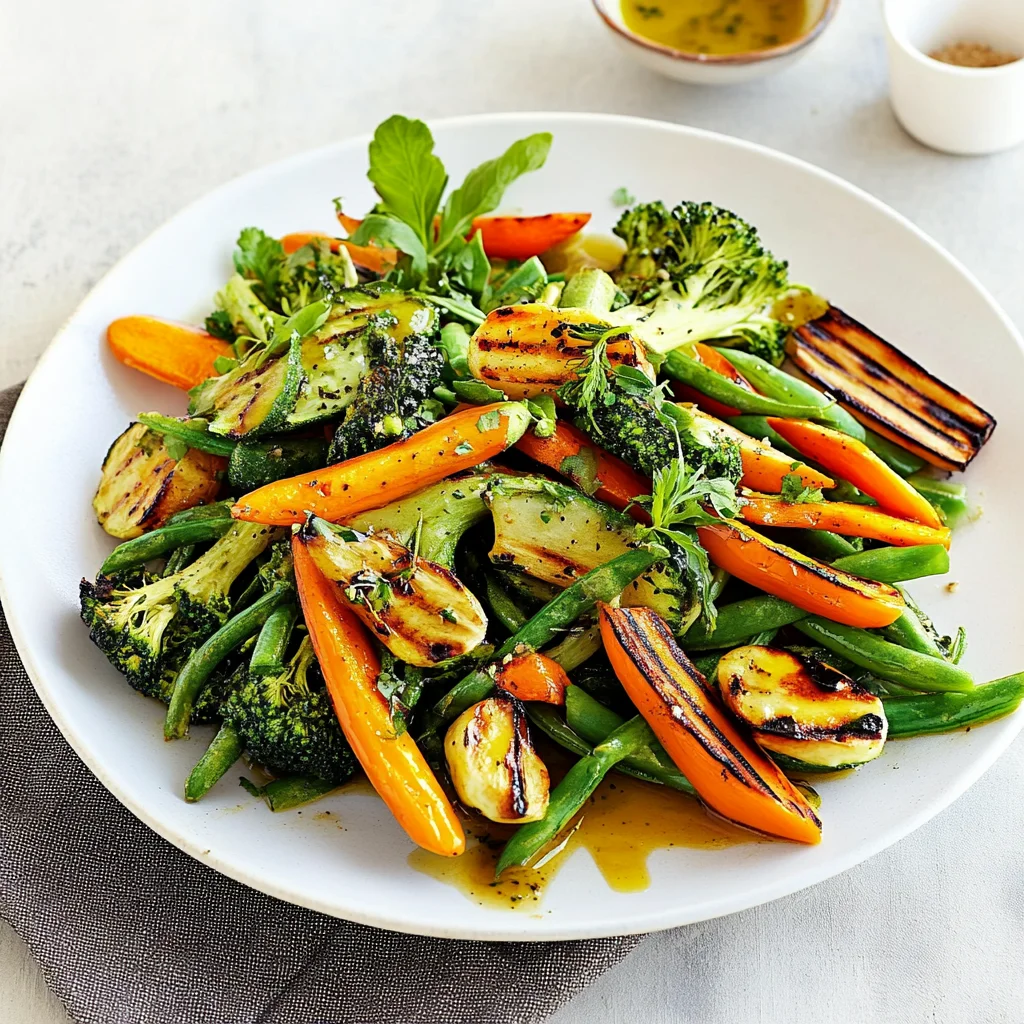
Spring Vegetable Salad
Ingredients
Method
- Wash and trim your favorite spring vegetables, aiming for vibrant colors.
- Warm up a large skillet over medium heat and add a drizzle of olive oil.
- Toss in your prepared veggies and sauté for about 5-7 minutes until tender yet crisp.
- Sprinkle in salt, pepper, and a squeeze of lemon juice during the last minute of cooking.
- Transfer your sautéed spring vegetables to a serving platter and serve warm.

Leave a Comment